![[Search]](/static/images/search.gif)
![[A-Z Index]](/static/images/az.gif)
![[Contact]](/static/images/contact.gif)
![[University of Cambridge]](/static/images/identifier2.gif)
![[Talks.cam]](/static/images/talkslogosmall.gif)

 Prof David J Beech, Inst of Membrane & Systems Biology, Faculty of Biological Sciences, Univ of Leeds
 Thursday 12 May 2011, 16:00-17:00

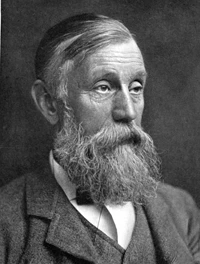
Calcium channels of vascular remodelling
- 👤 Speaker: Prof David J Beech, Inst of Membrane & Systems Biology, Faculty of Biological Sciences, Univ of Leeds
- 📅 Date & Time: Thursday 12 May 2011, 16:00 - 17:00
- 📍 Venue: Hodgkin Huxley Seminar Room, Physiology Building, Downing Site
Abstract
Vascular remodelling in physiology and disease is contributed to significantly by vascular smooth muscle and endothelial cells that have switched from their quiescent phenotype to a phenotype characterised by properties such as proliferation, migration, secretion and invasion. We have sought to understand ion channels in this context, particularly in human diseased tissues. We find that the switch is associated with changes in ion channels, which are increasingly appreciated as important for the functional behaviour of these disease-related cells. Striking features are the de novo expressions of KCa3.1 and KV1 .3 potassium channels in smooth muscle cells and consequently the opportunity to inhibit remodelling by blockers of the channels. An intriguing factor controlling the potassium channel gene expression is the repressive transcription factor REST , which is down-regulated during phenotypic switching and neointimal formation. Concomitant with gain of potassium channels is loss of the L-type voltage-dependent calcium channel and elevated voltage-independent TRPC1 calcium- and sodium-permeable channel in smooth muscle cells. Antibody targeted to TRPC1 inhibited neointimal formation, suggesting a hypothesis whereby hyperpolarisation driven by potassium channel activity enhances calcium and sodium entry through TRPC1 -containing channels which then facilitates calcium-dependent cell cycle activity and gene expression. We have also found roles of ion channels in the migration of vascular cells, showing that inhibition of TRPC5 -containing channels inhibits migration evoked by sphingosine-1-phosphate and oxidized phospholipids such as 1-palmitoyl-2-glutaroyl-phosphatidylcholine. TRPC5 turns out to have complex polymodal regulation including activation by extracellular redox protein and specific phospholipids, contrasting with inhibition by factors that protect against disease such as nitric oxide and resveratrol. We are also finding intriguing additional calcium-permeable channels that either suppress or enhance remodelling. One type of channel is activated by so-called ‘fountain of youth’ steroids, another by the key growth factor, PDGF . These and other recent findings will be discussed and placed in the context of hypotheses for how remodelling vascular cells use ion channel systems that may be manipulated for therapeutic benefit.
Example background references from the lab: Naylor et al (2011) JBC 286 , 5078-5086; Cheong et al (2011) Cardiovasc Res 89, 282-289; AL-Shawaf et al (2010) Arterio Thromb Vasc Biol 30, 1453-1459; Naylor et al (2010) Circ Res 106, 1507-1515; Li et al (2008) Circ Res 103, 97-104; Xu et al (2008) Nature 451, 69-72; Kumar et al (2006) Circ Res 98, 557-563; Cheong et al (2005) Mol Cell 20, 45-52.
Financial support for the lab is kindly provided by: Wellcome Trust, British Heart Foundation, Medical Research Council, Cancer Research UK, BBSRC , AstraZeneca, China Scholarship Council.
Lab web page: http://www.cardiovascular.leeds.ac.uk/staff/Beech/
Series This talk is part of the Foster Talks series.
Included in Lists
- All Talks (aka the CURE list)
- Biology
- Biology
- Cambridge Neuroscience Seminars
- Cambridge talks
- Chris Davis' list
- dh539
- dh539
- Featured lists
- Foster Talks
- Hodgkin Huxley Seminar Room, Physiology Building, Downing Site
- Life Science
- Life Sciences
- Life Sciences
- List 1
- ME Seminar
- my_list
- Neuroscience
- Neuroscience Seminars
- Neuroscience Seminars
- other talks
- personal list
- PMRFPS's
- Stem Cells & Regenerative Medicine
Note: Ex-directory lists are not shown.