![[Search]](/static/images/search.gif)
![[A-Z Index]](/static/images/az.gif)
![[Contact]](/static/images/contact.gif)
![[University of Cambridge]](/static/images/identifier2.gif)
![[Talks.cam]](/static/images/talkslogosmall.gif)

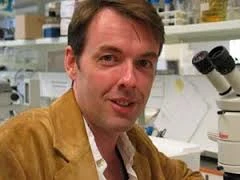
 Prof. David Gems, Deputy Director of The Institute of Healthy Ageing, University College London
 Tuesday 01 July 2014, 13:00-14:30

Ageing: What is it? Clues from C. elegans
- 👤 Speaker: Prof. David Gems, Deputy Director of The Institute of Healthy Ageing, University College London 🔗 Website
- 📅 Date & Time: Tuesday 01 July 2014, 13:00 - 14:30
- 📍 Venue: The Babraham Institute Conference Centre
Abstract
The Institute of Healthy Ageing: The UCL Institute of Healthy Ageing is a world class centre of excellence for research on the biology of ageing and ageing-related diseases. Their primary purpose is to bring together researchers working on the biology of ageing (biogerontology) with those working to understand the causes of ageing-related disease. By merging the two, they aim to develop a new translational biogerontology using the ageing process as a point of intervention to protect against the diseases of old age. “Our goal is to improve the health and quality of life for older people.”
Research Focus: Understanding the biology of longevity and ageing using a nematode model While developmental genetics has been an area of intensive study for many years, investigation of the role of genes in determining longevity and ageing only recently began. An ideal model organism in which to study ageing is the free-living nematode Caenorhabditis elegans. This species has well-developed genetics, its 97,000,000 base pair genome is fully sequenced, and its life span is a mere 2-3 weeks. Most importantly, numerous mutations have been identified in C. elegans which alter the rate of ageing, with some mutants living more than ten times as long as wild-type worms. It is hoped that by understanding ageing in a simple animal like C. elegans we will be able to unravel the mystery of human ageing, which increases risk of a wide range of diseases, from cardiovascular disease and type II diabetes, to Alzheimer’s disease and cancer. A major focus of current work in this laboratory is understanding the genes and biochemical processes by which reduced insulin/IGF-1 signalling and dietary restriction increase lifespan. Other interests include sex differences in the biology of ageing, evolutionary conservation of mechanisms of ageing, and bioethical implications of ageing research. Our work is funded by the BBSRC , the European Union and the Wellcome Trust. Courtesy of UCL
Current Research Themes: ● Cell signalling ● Genetics of ageing and age-related disease in Caenorhabditis elegans ● Mechanisms regulating lymphocyte differentiation i ● Regulation and targeting of the hypoxia inducible factor (HIF) pathway ● The central nervous system regulation of energy homeostasis
Series This talk is part of the Ageing Research series.
Included in Lists
Note: Ex-directory lists are not shown.