![[Search]](/static/images/search.gif)
![[A-Z Index]](/static/images/az.gif)
![[Contact]](/static/images/contact.gif)
![[University of Cambridge]](/static/images/identifier2.gif)
![[Talks.cam]](/static/images/talkslogosmall.gif)

 Dr Gosia Trynka; Group Leader - Immune Genomics Group, Wellcome Sanger Institute
  Friday 03 May 2019, 13:00-14:00

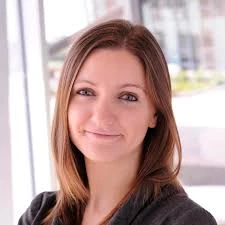
Immune disease GWAS variants converge on regulation of cd4 T cell activation
- 👤 Speaker: Dr Gosia Trynka; Group Leader - Immune Genomics Group, Wellcome Sanger Institute
- 📅 Date & Time: Friday 03 May 2019, 13:00 - 14:00
- 📍 Venue: Babraham - The Cambridge Building - The Kings Hedges Room
Abstract
Thousands of genetic variants are associated with common immune-mediated diseases, such as type 1 diabetes, rheumatoid arthritis, celiac disease and inflammatory bowel disease. However, the molecular mechanisms by which genetic variants predispose an individual to the development of an immune disease are largely unknown because most of the disease variants localise in non-coding parts of the genome – therefore, making it challenging to infer their functional consequences.
Using a broad genomic toolkit, from profiling chromatin landscape (ATACseq, ChIP-seq), through to measuring gene expression in bulk and at the single cell level, we are dissecting the role of immune disease variants in different aspects of regulation of CD4 T cell functions. Our results point towards the role of immune disease variants in modulating early activation of memory cells. Additionally, we show that immune disease variants regulate the enhancer activity and gene expression in regulatory T cells (Tregs), a rare subset of CD4 T cells that is critical in dampening immune response. We show that these effects result in impaired suppressive function of Tregs.
Our results suggest that a proportion of immune disease variants can lead to escalated immune response by 1) promoting early activation of memory T cells and 2) impairing the suppressive capacity of Tregs, leading to deregulation of CD4 T cell activation circuitry.
Series This talk is part of the Babraham Seminar series.
Included in Lists
- Babraham Seminar
- Babraham - The Cambridge Building - The Kings Hedges Room
- Graduate-Seminars
- se393's list
Note: Ex-directory lists are not shown.